
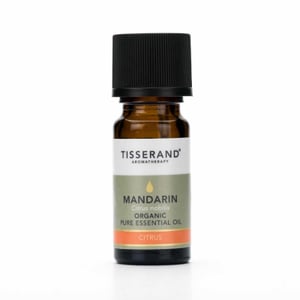
Originally native to China and the Far East, Mandarin is now commercially cultivated in Italy, Spain, Cyprus and the Middle East. It is thought that the name ‘Mandarin’ refers to the fruit’s popularity with the rulers of China – the Mandarins.
Closer to home, Mandarins were successfully introduced to Southern Europe in the early 20th century and as they were available only through the winter months, became popular as British stocking fillers at Christmas.
When the fruit is expressed, pungent and bittersweet fragranced essential oil is released from the peel. This essential oil can be used in aromatherapy to ease mental fatigue and lift the spirit. It is also an effective facial cleanser, working to open pores and remove dead skin cells.
Botanical name: Citrus nobilis
Extraction Method
Expression – squeezing the oil from the peel of the fruit
Plant Part
Fruit Peel
Aroma
Bittersweet and fresh with sweeter notes as it evaporates
Fragrance Family
Citrus
Perfumery Note
Top
Consistency and Colour
Thin and yellow
Blends Well With
Jasmine, Sandalwood & Bergamot
Keywords
Revitalising, Supportive & Light
Ingredients
100% Citrus nobilis (mandarin) peel oil
Made in United Kingdom
Directions for use
Once opened, store in a cool dark place and use within 12 months. Massage: Add 5 drops of essential oil to 10ml of blending oil Bath: Add 4 to 6 drops of essential oil to 20ml of blending oil & swirl into water Vaporising: Add 6 to 8 drops of essential oil to a vaporiser or burner
Caution
Mandarin is not recommended in massage for people with sensitive skin, but can be vaporised. For external use only. Do not use undiluted on the skin. Avoid contact with sensitive areas, such as eyes. Keep out of reach of children. Do not use essential oils on children under 5 years old. Consult your healthcare professional before using essential oils during pregnancy. Best kept in a cool dry place. Naturally occurring allergens: Limonene and Linalool.